
THE FLEET.
The machines the lab works with, and what each one is for. Nothing here runs on motion capture: indoors the robots localize off each other with aerosense - anchors added only when a room-fixed frame is wanted - and run perception onboard. Outdoors the same stack gains GPS where there is any, and camera SLAM.
Fixed-wing
-
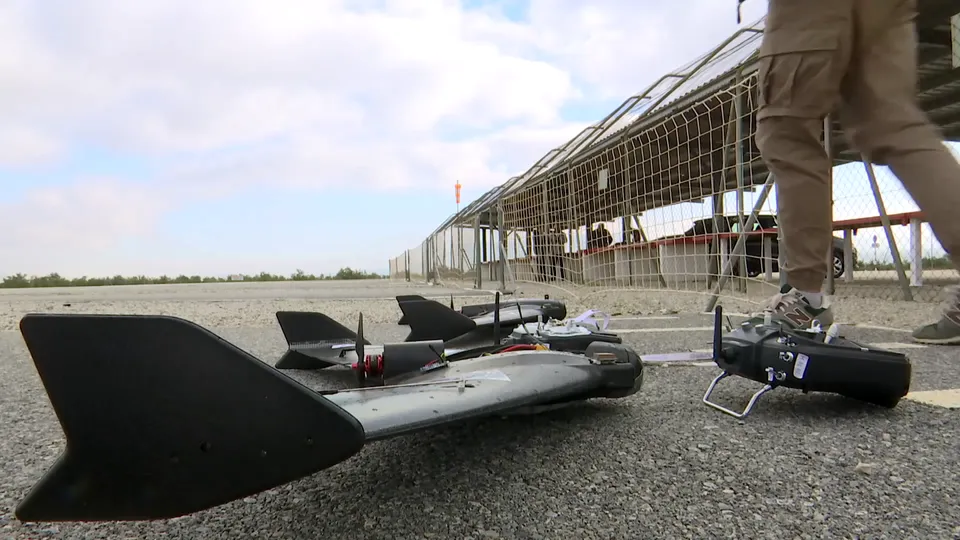 Workhorse swarm platform
Sonic - Delta Wing ×5
The platform most of our flying happens on. Five of them fly together to test coordination algorithms and our relative-state awareness technology.
- Wingspan
- 0.9 m
- Endurance
- 25 min*
- Payload
- 100g
- Autopilot
- Palomo
-
-
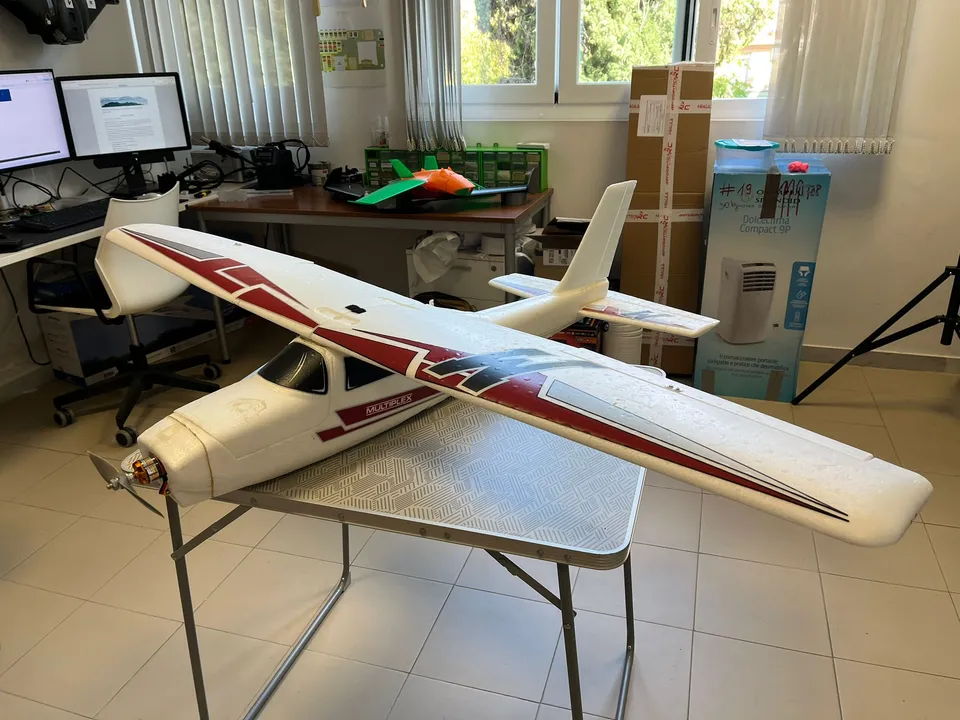
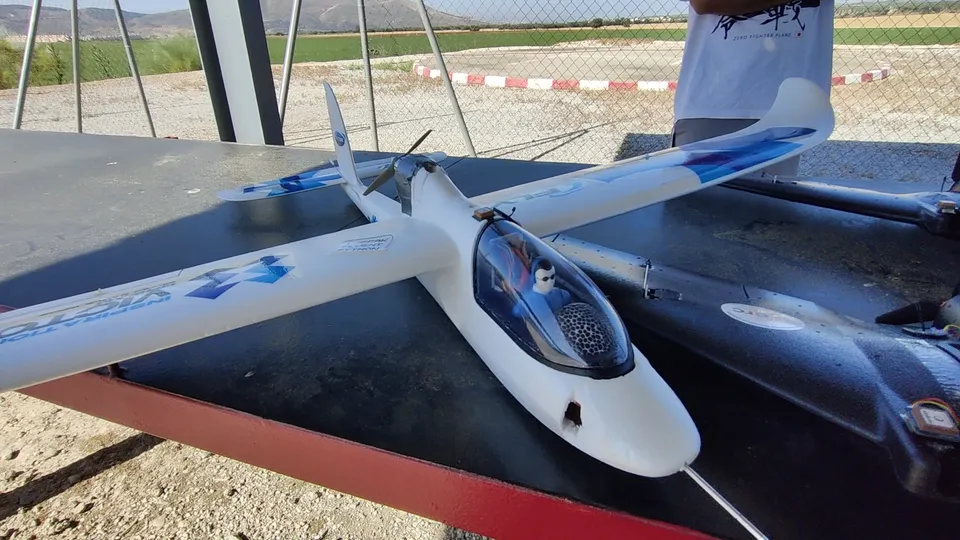 Trainer and control testbed
Victor ×3
The aircraft we try things on first. Every experimental low-level controller - INDI, the aerobatic work - flies here before it flies anywhere else, because Victor is stable enough to be taken back by hand when it stalls or an auto mode gets away from us. It is also what new students learn to fly on.
- Wingspan
- 1.5 m
- Endurance
- 25 min*
- Autopilot
- Palomo
-
 Aerobatics testbed
Orca ×2
Our first attempt at a printed aircraft, and by some way the fastest thing we fly: over 120 km/h on the right battery, and agile enough for aerobatics. Not a platform for real missions yet - it is where we push our fixed-wing aerobatic algorithms until they break.
- Wingspan
- 0.8 m
- Endurance
- 15 min*
- Payload
- 50g
- Top speed
- > 120 km/h
- Material
- PLA / PETG
- Print time
- 12 h, one printer
- Autopilot
- Palomo
-
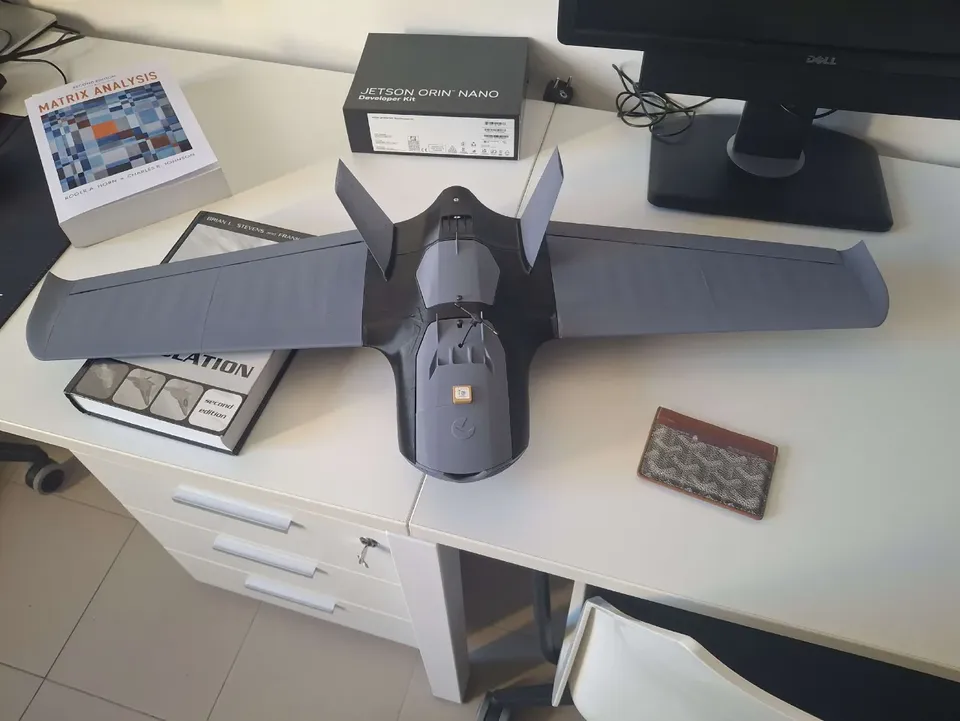
 Mission platform
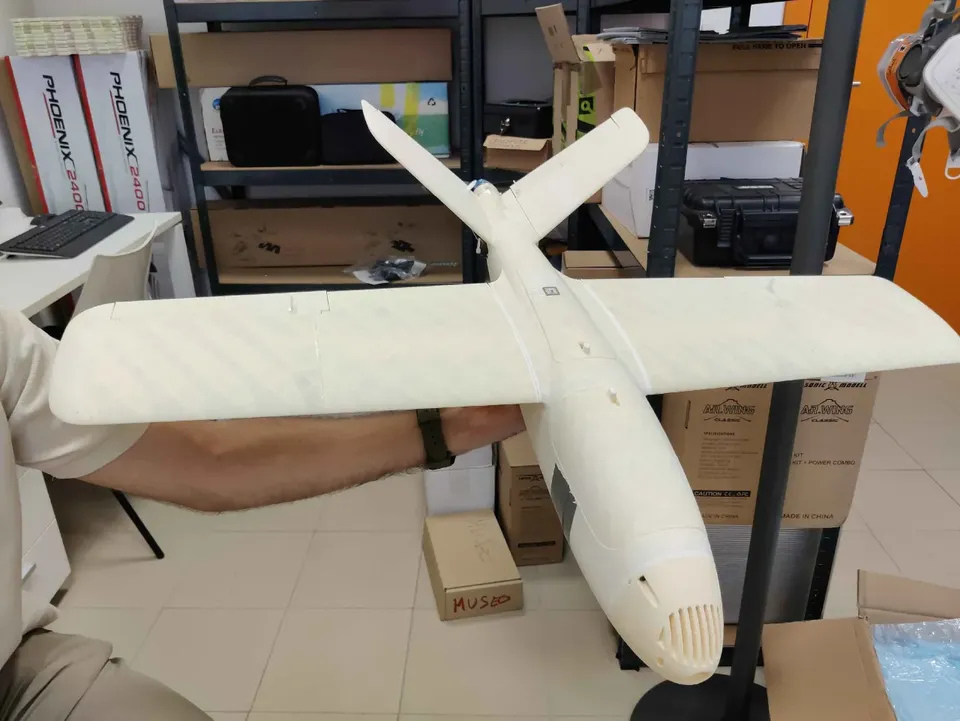
pico Talon ×1
The most serious aircraft we fly. It is sized around its payload: an edge-compute node for perception, aerosense for relative-state awareness, and the autopilot running our guidance algorithms. We are working towards a full mission demonstration with more than five of them.
- Wingspan
- 0.9 m
- Endurance
- 20 min*
- Payload
- 500g
- Computer
- Jetson Orin Nano
- Material
- ASA AERO
- Print time
- 48h, one printer
- Autopilot
- Palomo
-
 In-house delta wing
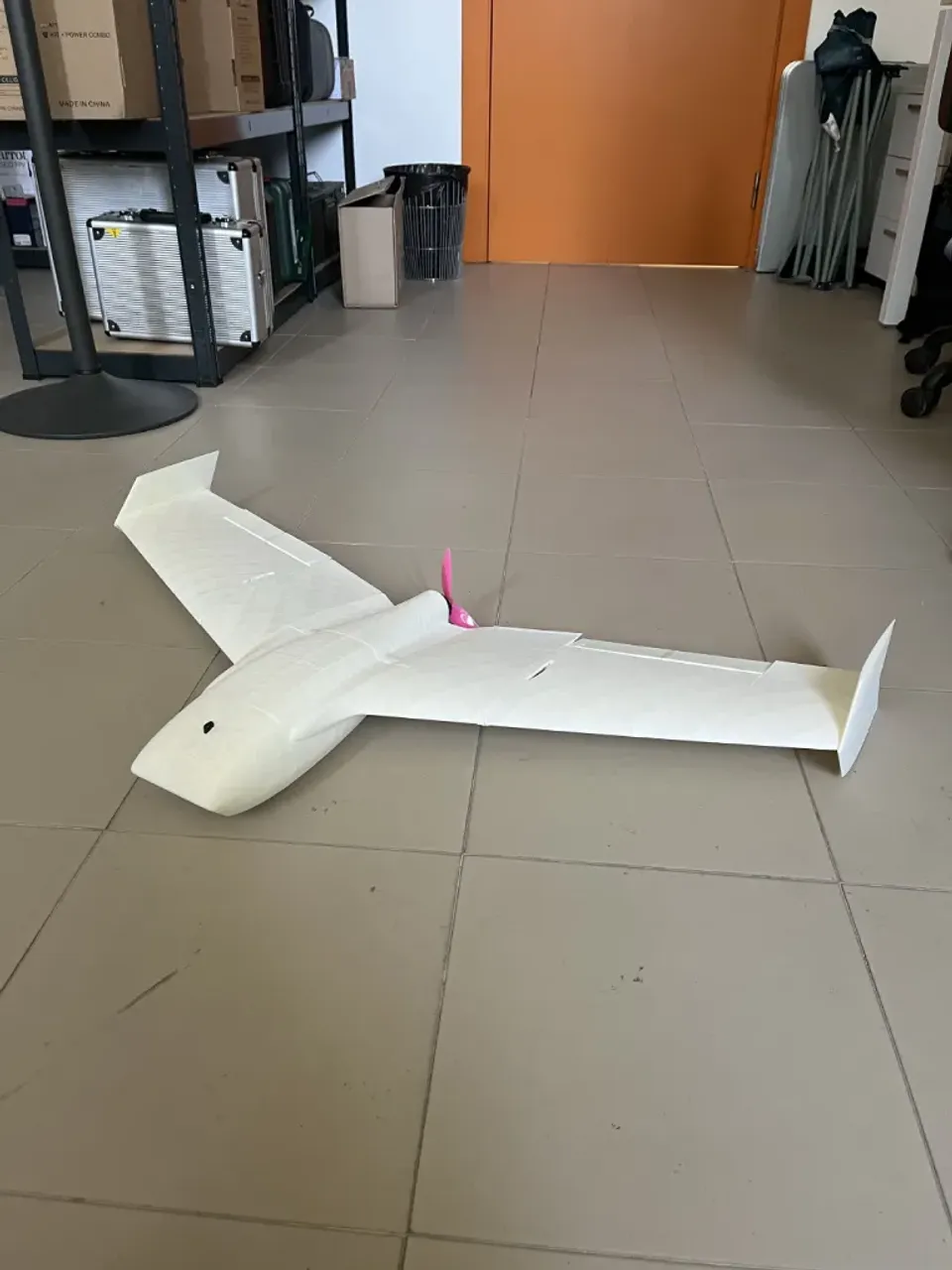
Gabe V0 - Delta Wing ×1
The first aircraft that is entirely our own design, printed end to end. It mimics the Sonic delta wings so that a stable fleet can be scaled quickly, and it is meant to be the generation that replaces them.
- Wingspan
- 0.9 m
- Endurance
- 25 min*
- Material
- ASA AERO
- Print time
- 20h, one printer
- Autopilot
- Palomo
-
 Payload carrier
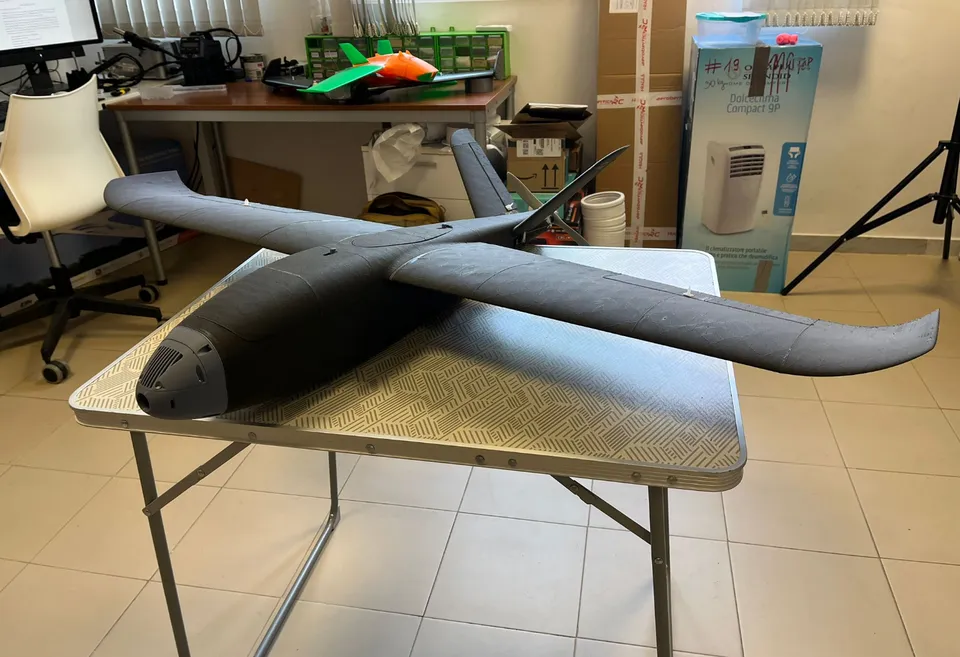
Talon ×1
Our first go at a printed carrier. It lifts a great deal, and with the right battery and a launcher it should stay up for a very long time. ~80 hours on the printer - but the material costs under 15 euros.
- Wingspan
- 1.3 m
- Endurance
- 15 min*
- Payload
- 1000g
- Computer
- Jetson Orin Nano
- Material
- LW-PLA
- Print time
- 80h, one printer
- Autopilot
- Palomo
Rotorcraft
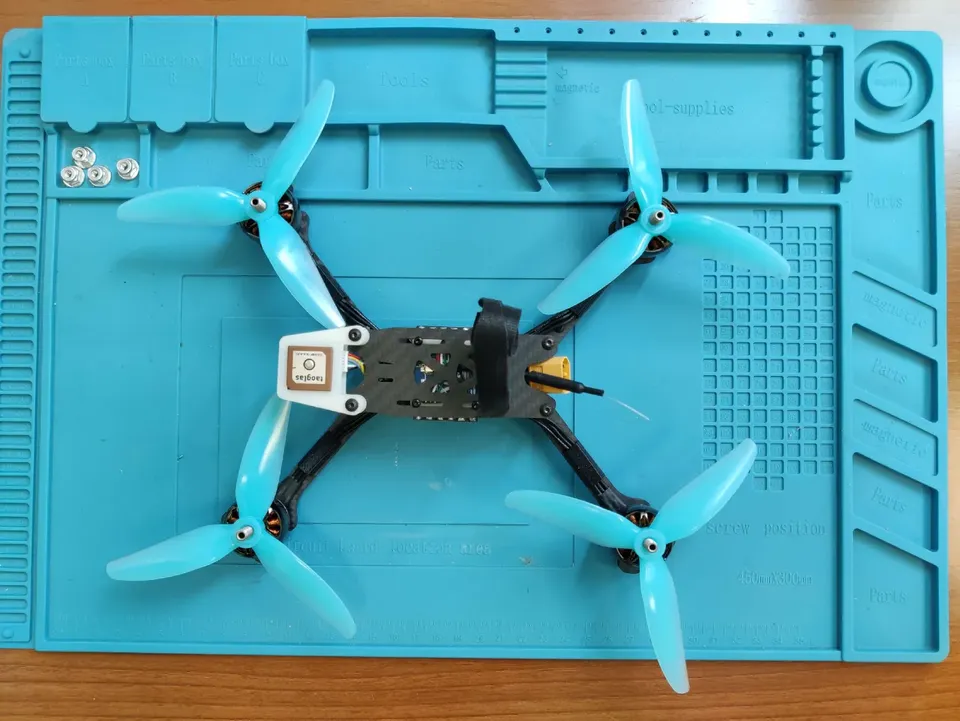
Rovers
-
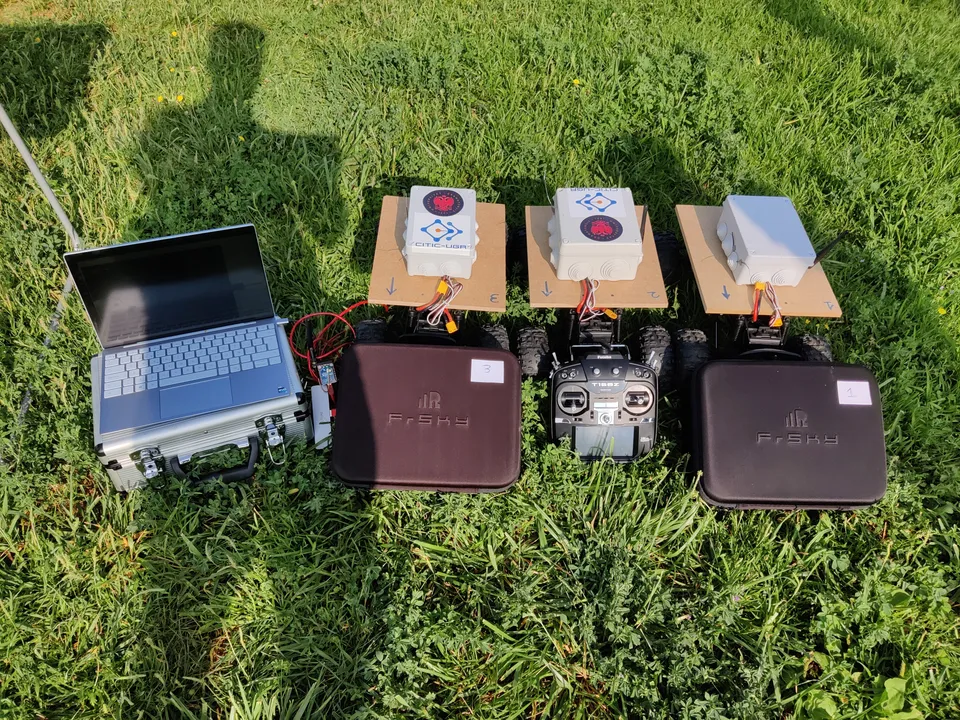 Outdoor ground testbed
Off-road Rover ×3
Rugged RC rovers, used to test 2D guidance algorithms in difficult terrain before they are trusted to anything that flies.
- Autopilot
- Palomo
-
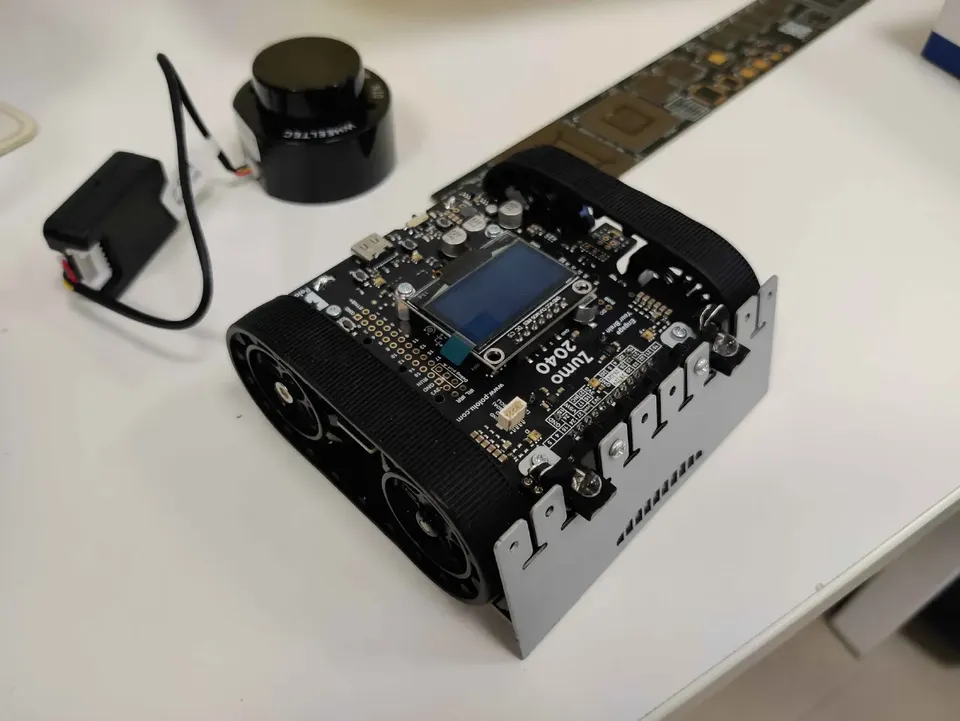 Indoor ground testbed
Zumo ×8
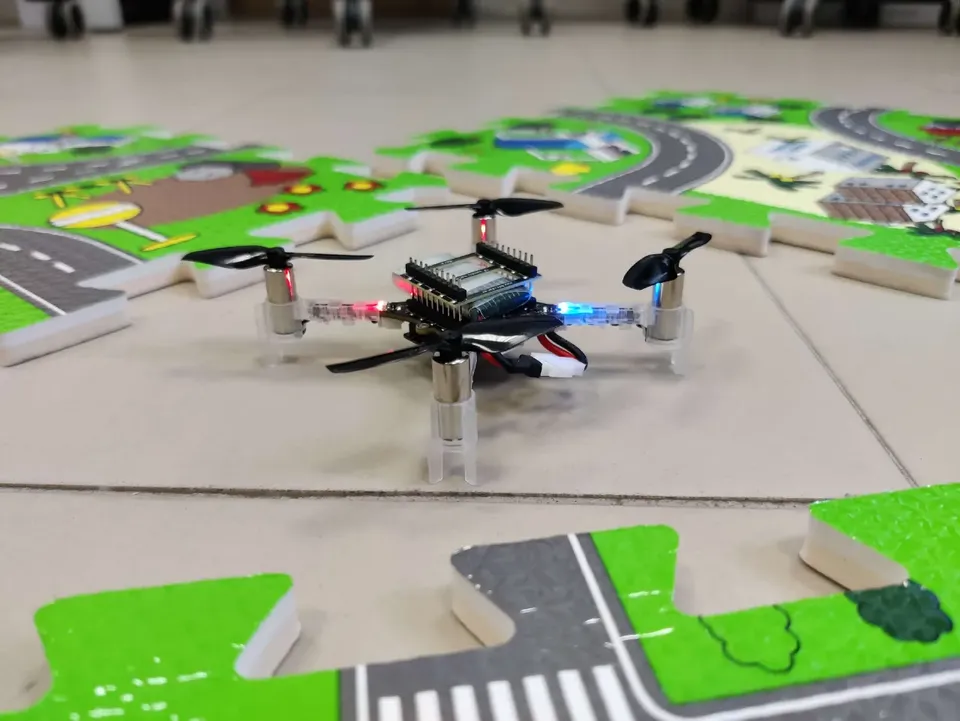
The ground half of the indoor fleet: eight small rovers carrying a 2D lidar, running the same coordination and formation work as the Crazyflies. Driven and flown together, the two make for the experiments we care most about.
- Firmware
- Custom, on ChibiOS
* Endurance is measured using LiPo batteries. Different battery chemistries (e.g., Li-ion) may considerably improve these values when endurance is primarily limited by energy capacity rather than peak power/current capability.